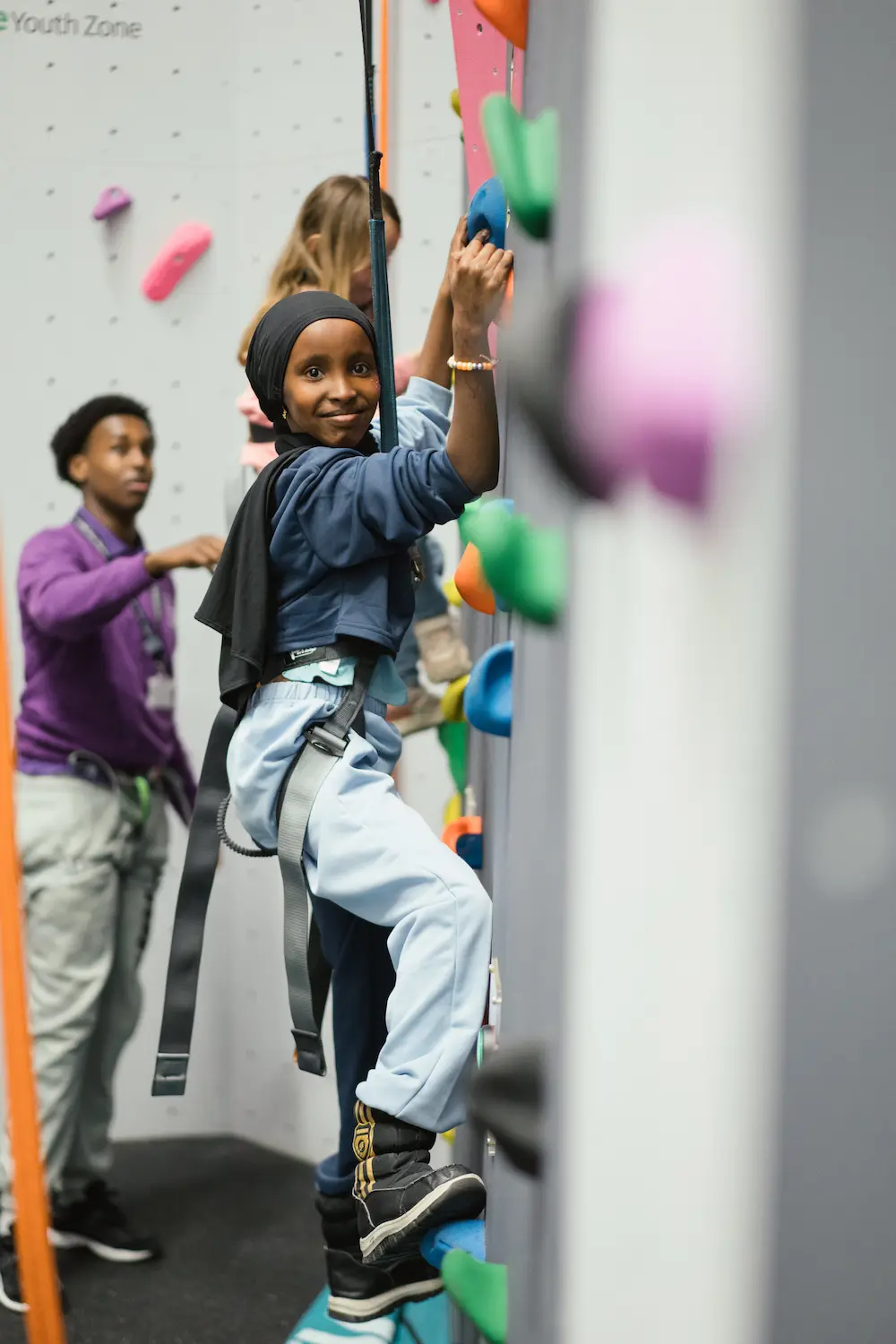
We’d love to show you around a local Youth Zone, allowing you to see for yourself the impact that these centres make. Simply fill in your details below and a member of the team will be in touch to arrange a visit.
Take a Virtual TourThe Fonagy Review highlights something we see across the OnSide Network every day. Too often, young people are labelled as fragile, disengaged or lacking resilience. But the reality is young people haven’t become weaker, life has become harder.
Last week I spent some time with the OnSide Youth Advisory Board, and they never fail to impress me. They are an articulate and thoughtful group who care deeply about the world they’re growing up in. They represent the 60,000 young people across our network, navigating growing isolation, uncertainty about their futures and a rapidly changing digital world. There is nothing about them that suggests a lack of resilience – I’d say quite the opposite.
Our Generation Isolation report brings this changing landscape into focus: 76% of young people now spend most of their free time on screens. Behind that statistic is a bigger question about whether young people have enough opportunities for real-world connection and support.
The approach we find that works in Youth Zones up and down the country is a mix of supportive adults, places where young people feel they belong and opportunities to thrive. In our Youth Zones, youth workers are a consistent presence in a young person’s life and can make a real difference. They give young people someone to turn to and help them access the right support when they need it. We’re proud to work with partners like The Prudence Trust to make this possible.
The Fonagy Review’s focus on prevention and early intervention matters. Too often, support comes when a young person has reached crisis point. We need to be there earlier, with support that brings together youth work and other support services tailored to the young person’s needs.
There’s no doubt that life has become harder for young people. Our response shouldn’t be to ask more of them, but to make sure we meet them where they’re at with the support they need.
If you'd like to keep updated by email on news and events from the OnSide network fill in your details below and we will add you to our mailing list.