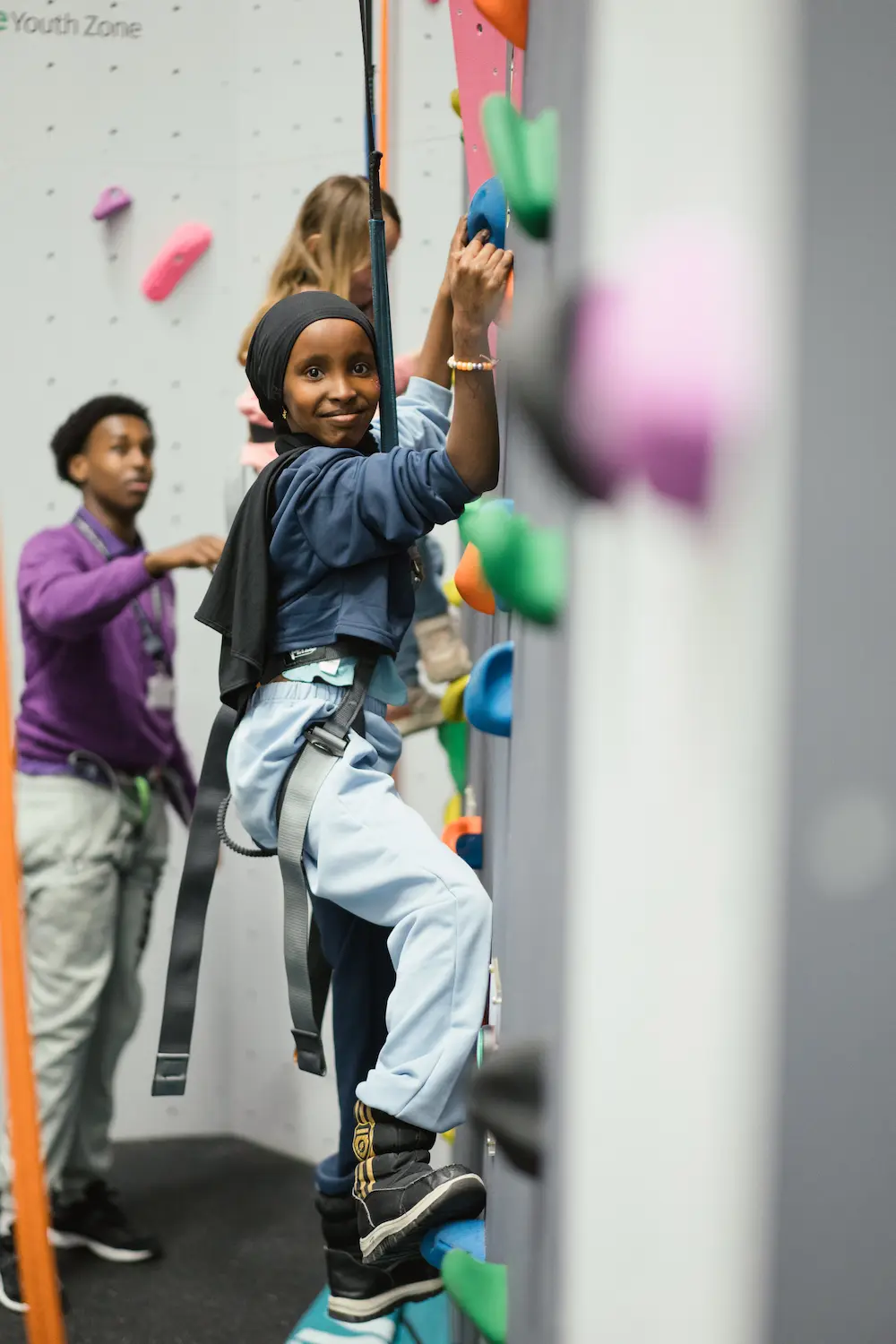
We’d love to show you around a local Youth Zone, allowing you to see for yourself the impact that these centres make. Simply fill in your details below and a member of the team will be in touch to arrange a visit.
Take a Virtual TourYoung people question their readiness for adult life, with nearly half feeling unprepared
As parents, teachers, youth workers and employers wait for answers from Government about how to support young people, a generation has spoken clearly about what they need.
Nearly half feel unprepared for adult life as screen-based activities continue to dominate their free time, according to our newest research. Our fifth annual Generation Isolation report, based on a YouGov survey of 3,944 young people aged 11–18 across the UK, reveals a generation facing adulthood saying they want more opportunities to build practical skills, confidence and independence.
The data reveals that among young people who say youth clubs make a positive difference to their lives, this is largely because they provide opportunities to meet new people, try new things and learn new skills outside of school.
Ahead of Alan Milburn’s forthcoming report setting out solutions to the UK’s NEET crisis, with nearly one million 16–24-year-olds not in education, employment or training, we are calling for youth workers to be given greater recognition and funding as the trusted adults we believe young people are crying out for. Moreover, we’re calling for every young person to be given access to safe, affordable spaces offering real-life activities and support from trusted adults, giving them the confidence and self-belief needed to thrive as adults.
Young people understand the pressures ahead. Their concerns span school and relationships as well as choosing a future, becoming an adult and making ends meet. While 38% worry about deciding what they want to do in the future, 32% worry about growing up and 30% worry about money and the cost of living.
They are also clear about what would help them prepare for the future. Almost one in five (19%) say opportunities to learn life skills such as managing money, cooking or renting a home would make them feel most ready for their future. A further 16% want opportunities to try new things and gain real-life experience. However only 41% saying they have opportunities to take action or make a difference on issues that matter to them.
Riley, 17, a member of our Youth Advisory Board and Inspire Youth Zone in Chorley, said:
“We’re not taught what being an adult is or about some of the things we need to be an adult – we’re left to figure it out ourselves. Young people need more support that teaches them the fundamentals of life, whether that’s at college, school or a youth centre. Young people are growing up oblivious in certain areas.”
Youth club attendees are more likely to feel prepared for adulthood than non-attendees, with just 38% saying they don’t feel prepared compared to 47% of young people surveyed overall.
Among those who say youth clubs have made a positive difference to their lives, 53% of attendees say this is because their youth club has helped them make new friends, 39% say because they have learned new skills and 40% because they have gained confidence. Over a third (35%) say it has helped them spend less time on their phone or online. Yet only 13% of young people currently attend a youth club or centre.
Our CEO Jamie Masraff, said:
“This year’s Generation Isolation report asks a vital question: how can we expect young people to feel ready for adulthood without giving them opportunities they need to prepare?
To address this gap we need a bigger national commitment to youth work, recognising youth workers, clubs and spaces as essential community infrastructure. Investment from government, businesses and philanthropists is crucial to preparing the next generation for adulthood and work, and building the confidence and social skills they need to thrive in real life, away from a screen.
Earlier this year the Milburn Review found 84% of young people who are NEET want work or training. Young people are clearly not workshy or lazy, but many need tailored help and support to realise their potential. Specialist employability youth workers, like the teams working in OnSide Youth Zones, can match that ambition with practical support: building confidence, developing interview skills, helping with CVs and applications, and opening doors to employment and independence.”
Rebecca Bunger, head of youth work at The Way Youth Zone in Wolverhampton said:
“This research captures what our members have been telling us for a while. OnSide Youth Zones across the country know that post-Covid, young people are struggling in school, but out of school that struggle is really embedded. Those that we work with are ambitious for the future and want to improve their lives and their families’ lives but they need help to get there.
The place they find community is online, but that doesn’t prepare you for adulthood. Safe and affordable social spaces allow young people to develop emotional intelligence and interpersonal skills in real life. Trusted youth workers can help build the strengths they will need as they become adults and we can support them in things like applying for jobs, menu planning or managing money, things that schools often don’t have the capacity to teach.”
Across our network more than 250,000 young people have visited a Youth Zone since we opened our first in Carlisle in 2011. Entry costs just 50p, with a £5 annual membership charge. Youth Zones are funded by a mix of public and private money, with business patrons offering both financial and employability support.
If you'd like to keep updated by email on news and events from the OnSide network fill in your details below and we will add you to our mailing list.