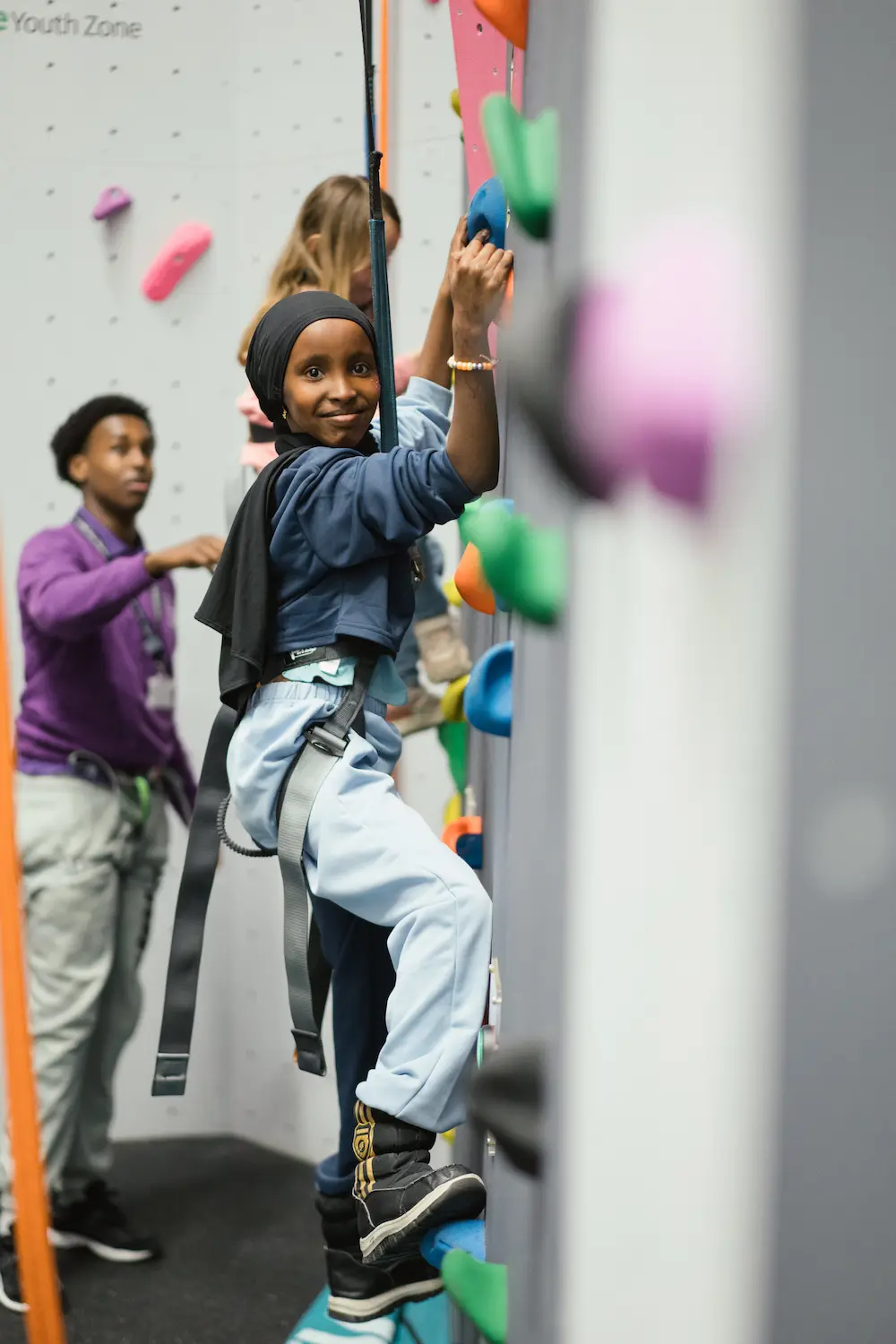
We’d love to show you around a local Youth Zone, allowing you to see for yourself the impact that these centres make. Simply fill in your details below and a member of the team will be in touch to arrange a visit.
Take a Virtual TourResearch recently published by Marmalade Trust suggests that one in four young people turn to AI for conversation and support, not because it offers something better than human interaction, but because it feels easier. If a quarter of young people find it easier to talk to AI than another person, the real question isn’t what AI is providing. It’s what young people are struggling to find elsewhere.
For many young people the opportunities to practise social interaction have changed significantly. With fewer informal spaces to meet in person and more of life being online, the chance to build friendships and develop confidence through low pressure, face-to-face interaction is more limited than it once was.
I can still remember the first time I had to walk into a networking event where I didn’t know anyone. It was daunting, not knowing who to approach and the awkwardness of starting a conversation. Over time and with repeated exposure, what once felt uncomfortable became routine. Looking back, it wasn’t the event that made the difference, but regularly putting myself in situations that stretched me. Confidence came through practice.
That process is something many young people now have less opportunities to experience. As those moments reduce, real world interaction can begin to feel higher stakes, especially without regular access to trusted adults or relatable experts who can help them navigate challenges and build confidence. These relationships, and the everyday interaction they enable, play a crucial role in developing social skills and resilience. Add to that the pressure of growing up in an always-on world, where mistakes can be shared and judgement is often quick and public, you can understand why putting yourself out there can feel risky.
In that context, AI offers something appealing. It is available, responsive and non-judgemental, and as our research shows, young people are increasingly turning to it because it feels quicker and easier than talking to someone in person. This is echoed in our focus groups, where young people say it can feel less awkward to talk to AI. But it also removes something important, real conversations don’t always go as planned. People disagree, misunderstand each other and sometimes things feel awkward. Yet it is often through those moments that confidence, resilience and self-understanding are developed.
These are also the kinds of skills that matter beyond social life. Communication, teamwork, confidence and the ability to navigate relationships are consistently highlighted by employers as essential. These skills do not simply appear, they are built over time, through experience, interaction and in environments that allow young people to learn by doing.
Recent conversation on the number of young people not in education, employment or training (NEET) has brought renewed focus to the topic, with 1 in 8 young people NEET. This challenge is not separate to the earlier question about social interaction. The environments where young people develop confidence and social skills are often the same ones where they build the foundations for work, training and progression.
At the same time, for some young people, AI is beginning to fill gaps left elsewhere. Our Generation Isolation report found that over 1 in 10 young people turning to AI are doing so for advice about mental health. With fewer youth services and limited access to mental health support, there are simply fewer places to turn. In that context, AI becomes the most accessible option, even if it’s not the best one.
All of this sits within the wider policy debate that often feels incomplete. Much of the current focus is on restricting social media, an important conversation, but one that centres on what we take away rather than what we put in its place. We can’t regulate our way to connection. There is also a noticeable gap in that discussion. AI appears only at the margins of the policy, despite its growing role in how young people interact.
If young people are struggling to connect face-to-face, the question is not just about limiting digital spaces, but about what exists beyond them. We cannot expect young people to build confidence and communication skills in isolation. They need environments where they can engage, learn from mistakes and grow in confidence over time. Unless we focus on rebuilding those real-world opportunities, we risk allowing AI to fill a space that was never meant for it in the first place.
If you'd like to keep updated by email on news and events from the OnSide network fill in your details below and we will add you to our mailing list.