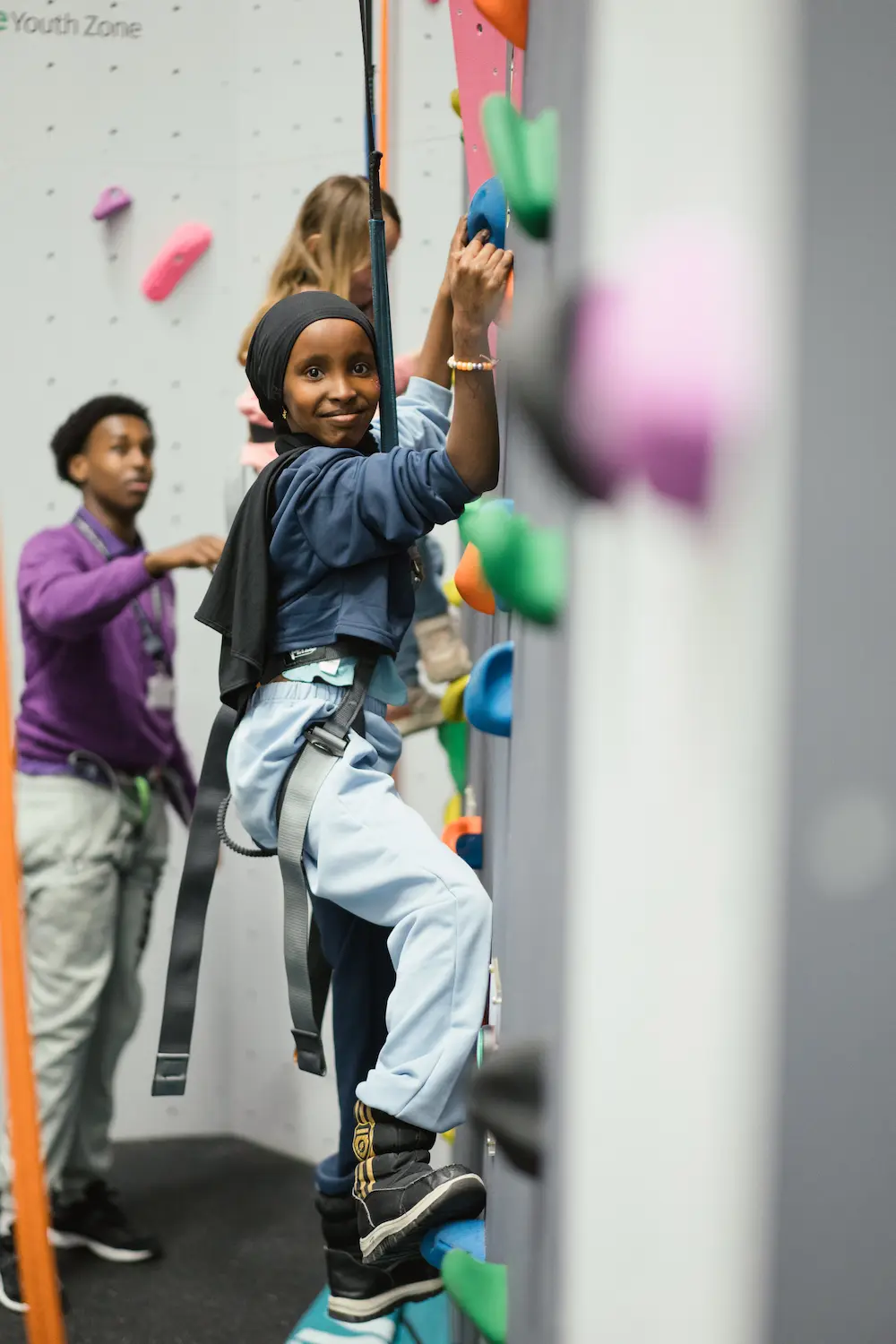
We’d love to show you around a local Youth Zone, allowing you to see for yourself the impact that these centres make. Simply fill in your details below and a member of the team will be in touch to arrange a visit.
Take a Virtual Tour“When I grow up” is a phrase I’m sure we’ve all said. But adulthood isn’t a destination we suddenly arrive at. While writing this blog, I couldn’t pinpoint a single moment when I felt I’d become an adult. Leaving home for university stands out, but by then I’d already spent time travelling, working and making decisions about what came next. Looking back, those experiences were like stepping stones. Each one helped build my confidence and independence. By the time I was dropped off at university, I felt ready for the next step because of the smaller ones that had come before. Everyone’s journey looks different, but there was a widely recognisable set of milestones: a Saturday job, work experience, an apprenticeship, university, a first job. Together, they created a clear way towards adulthood.
Over the last five years, our Generation Isolation report has given us a picture of what growing up looks like today. Year after year, the research has highlighted the importance of opportunities beyond school; places to try new things and build confidence. Yet too many young people tell us they are missing out on the experiences that help them become independent and feel prepared for the future.
This year’s Generation Isolation survey gathered responses from 3,944 young people aged 11–18. The findings point to 47% say they do not feel prepared for adult life. Young people aren’t lacking ambition for their future, they lack the confidence in their path to get there. Today, the path to adulthood, in terms of first jobs, work experience, and simply trying new experiences, is clearly harder and more competitive. The stepping stones are further apart, the current feels stronger and the destination of ‘adulthood’ is less certain than it once was. With over a million young people in the UK not in education, employment or training, the transition from adolescence to adulthood can feel less like a series of manageable steps and more like a leap into the unknown. The upcoming Milburn review has rightly placed a much needed spotlight on how we support young people through this crucial transition. But to understand how to fix the system, we need to look at what young people are telling us.
When we discussed the findings with our Youth Advisory Board, their response was clear. They wanted more opportunities to develop practical life skills, with money management coming up more than once. Members Riley and Bailey shared that they’d like to better understand politics, while Alice spoke about moving away from home for the first time and feeling unprepared for the loneliness that can sometimes be part of such a big step towards independence. Alice’s experience is exactly what Generation Isolation is about: a big life step taken without enough people alongside you.
Many of the skills young people told us they want to develop are learned through experience. Youth clubs and youth work provide these opportunities, and their value goes beyond any single activity. Young people need somewhere they can be themselves, something that helps them discover what they’re good at, and someone they trust to support them along the way. It’s the combination of those things that helps build confidence and a sense of what’s possible. This year’s report found that youth club attendees are more likely to feel prepared for adult life (53%) than non-attendees (40%).
At a time when it can be difficult to feel hopeful, young people continue to be ambitious about their futures. Our challenge is to ensure they have access to the opportunities and support they need to realise those ambitions.
I was lucky to have stepping stones and more than a few helping hands that got me across, and I didn’t always notice them at the time. Every young person deserves the same. We can’t control the current shaping young people’s lives, but we can help them navigate the crossing. We can create opportunities to build confidence and independence, provide trusted adults who offer guidance and encouragement, and spaces where they feel they belong.
If the stepping stones to adulthood are becoming fewer and further apart, our task is clear: we need to build more of them. That requires continued investment in youth services and the opportunities they create for young people.
If you'd like to keep updated by email on news and events from the OnSide network fill in your details below and we will add you to our mailing list.